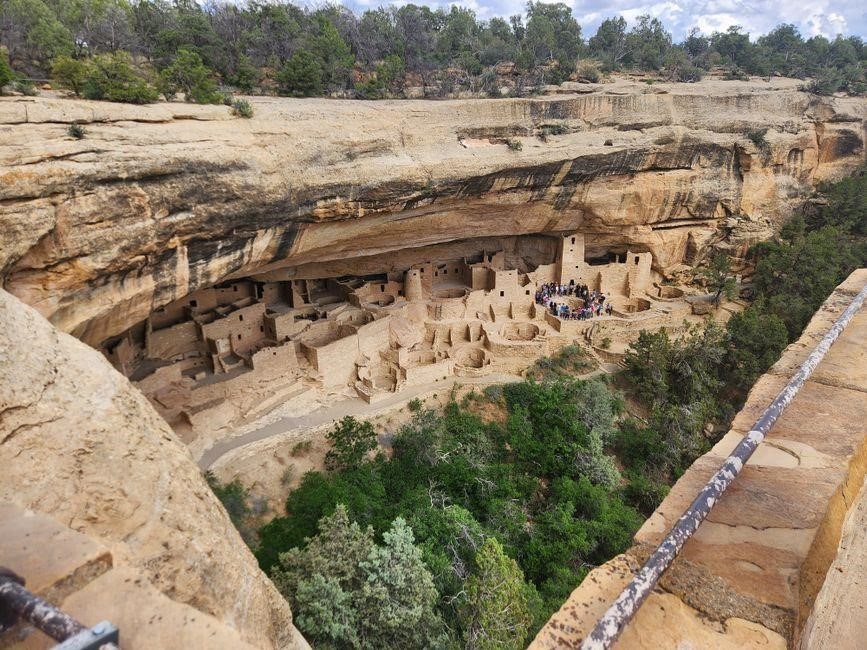
mesa verde self guided tours
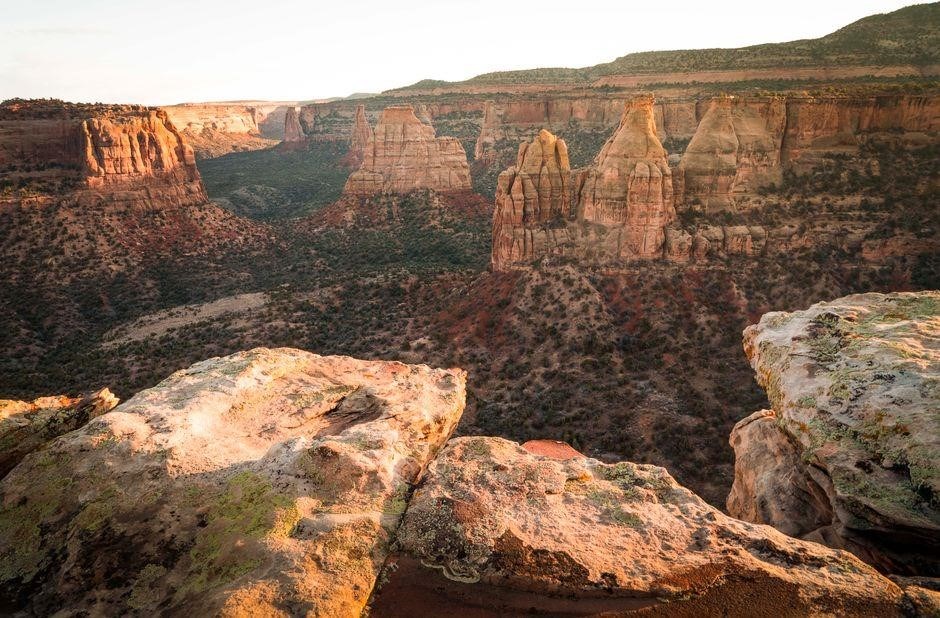
Explore Mesa Verde’s cliff dwellings at your own pace with the park’s self‑guided tour system. The free audio guide and detailed map highlight ancestral Puebloan homes, petroglyphs, and panoramic vistas. Start at the Visitor Center, follow marked trails, and immerse yourself in history Discover Pueblo life now
Historical Significance of Mesa Verde National Park
Mesa Verde National Park preserves the most extensive collection of well‑preserved Ancestral Puebloan cliff dwellings in the United States. The site, first inhabited around 600 CE, reached its peak between 1100 and 1300 CE, when a thriving community of Pueblo peoples constructed multi‑story homes, storerooms, and ceremonial spaces in the alcoves of the San Juan River canyon. These dwellings, built from stone, adobe, and timber, reveal sophisticated architectural techniques such as dry‑stone masonry, corbelled arches, and intricate lintel designs that allowed residents to withstand harsh climatic conditions and seismic activity. The park’s archaeological record, including petroglyph panels, ceramic shards, and agricultural terraces, offers insights into the social organization, trade networks, and cosmological beliefs of the Ancestral Puebloans. In 1978, the park was designated a UNESCO World Heritage Site, underscoring its global cultural value and the importance of preserving its fragile heritage. Today, the self‑guided tours provide visitors with contextual audio narratives and interpretive panels that illuminate the daily life, spiritual practices, and environmental adaptations of the people who once called Mesa Verde home. By walking the same paths once trodden by ancestors, tourists gain a deeper appreciation for the ingenuity and resilience that shaped this remarkable archaeological landscape. The preservation of these structures also serves as a testament to the sustainable building practices of the Pueblo peoples, who balanced resource scarcity with architectural innovation, ensuring that their homes could endure for centuries. Researchers continue to study the site’s stratigraphy and material culture, revealing patterns of migration, seasonal occupation, and ecological adaptation that inform broader narratives of pre‑Columbian societies across the American Southwest. The park’s interpretive programs emphasize the living legacy of the Ancestral Puebloans, connecting modern visitors to the cultural lineage that persists in contemporary Native communities. Through careful stewardship, Mesa Verde remains a living classroom where history, archaeology, and cultural heritage converge for educational and inspirational purposes.
Geographical Overview and Landscape Features
Mesa Verde sits in the San Juan River canyon, a 30‑mile‑long gorge carved by the river over millennia. The park’s elevation ranges from 6,500 ft to 8,000 ft, creating a dramatic transition from high desert scrub to alpine tundra. The canyon walls, composed of soft sandstone, reveal horizontal strata that record climatic shifts and human occupation layers. The cliff dwellings occupy alcoves, ledges, and overhangs, often 20–30 ft above the riverbed, providing natural protection from wind and rain. The surrounding landscape features a mix of ponderosa pine, juniper, and sagebrush, supporting diverse fauna such as mule deer, elk, and golden eagles. The San Juan River itself offers riparian habitats, with cottonwood and willow trees lining its banks. The park’s geology includes basaltic lava flows from the San Juan volcanic field, which form the rugged cliffs and create unique basaltic outcrops. The combination of high elevation, arid climate, and varied topography has fostered a mosaic of ecosystems, from grassland plateaus to canyon floor wetlands. These features not only shape the visual experience of visitors but also influenced the settlement patterns of the Ancestral Puebloans, who built homes in strategic locations to maximize water access, solar orientation, and defensibility. The park’s scenic vistas, such as the view from the Cliff Palace overlook, showcase sweeping panoramas of the canyon’s layered geology, making Mesa Verde a prime destination for geologists, hikers, and history enthusiasts alike. At the canyon’s base, seasonal springs feed small streams that support a network of wetlands, attracting migratory birds during spring and fall. The park’s elevation gradient also creates microclimates, allowing for the cultivation of hardy crops such as maize, beans, and squash by the Pueblo peoples. Today, these agricultural terraces remain visible, offering a tangible link to the ingenuity of past inhabitants. Visitors can observe the interplay between geology and human adaptation, gaining insight into how the landscape shaped cultural development over centuries. The park’s visitor center provides interpretive displays that explain the geological processes that formed the canyon, including faulting, erosion, and volcanic activity. Guided audio narration highlights key geological markers along the trail, helping travelers appreciate the dynamic history that underpins the cliff dwellings.
Best Time of Year to Visit
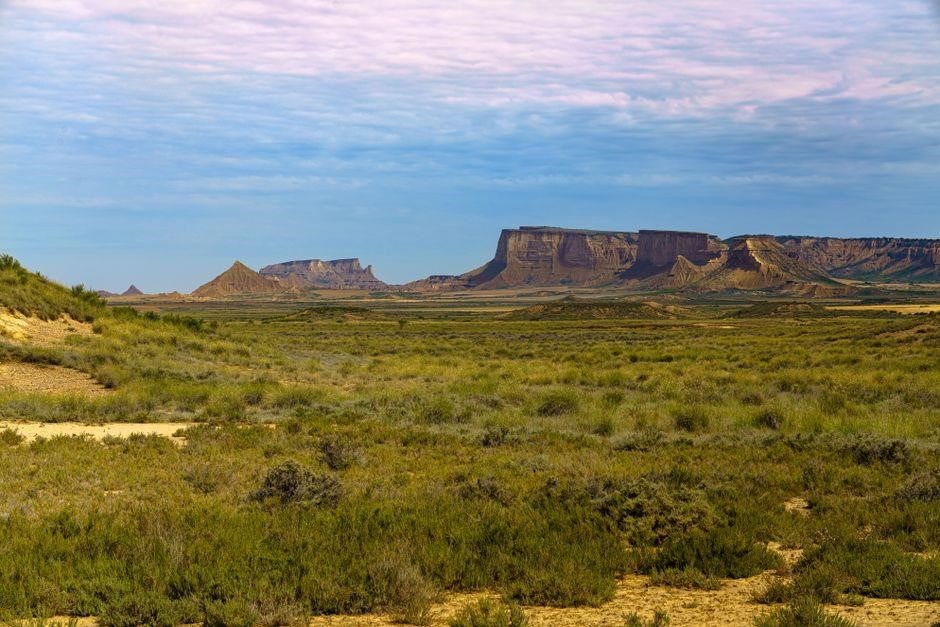
While Mesa Verde welcomes visitors year‑round, the most comfortable and rewarding window for self‑guided exploration falls between late spring and early fall. From late April through early October, daytime temperatures hover between 60 °F and 80 °F, making hiking and cliff‑dwelling tours pleasant without the scorching heat of midsummer or the chill of winter. Spring brings blooming wildflowers along the canyon rim, and the river is often at higher flow, creating a vibrant backdrop. Summer, especially July and August, can see temperatures climb above 90 °F in the canyon floor, so early morning or late afternoon trips are advisable. Fall, from September to mid‑October, offers crisp air, colorful foliage, and fewer crowds, while the river levels remain moderate. Winter, from November through March, is generally cold, with occasional snow that can close access roads and trails; however, the quiet season provides a unique, almost ethereal experience for those prepared for the cold. The park’s visitor center recommends arriving early in the day to avoid midday heat, especially during the peak summer months. Additionally, the park’s annual “Sunrise at Cliff Palace” event, held in late spring, showcases the canyon’s dramatic light and is a popular attraction for photographers and history buffs alike. Planning a visit during the shoulder seasons—late April to early May, late September to early October—ensures comfortable temperatures, clear skies, and the best chance to see wildlife such as mule deer and golden eagles in their natural habitats. Always check the park’s official website for current trail conditions and any seasonal closures before departing. For those seeking deeper immersion, the park offers ranger‑led night walks that illuminate stonework under starlight, letting visitors hear canyon history echo through ages for all ages eve. If you prefer daytime exploration, the park’s network provides signage that explains the geological and cultural context of the cliff dwellings, ensuring an educational experience for all visitors now.
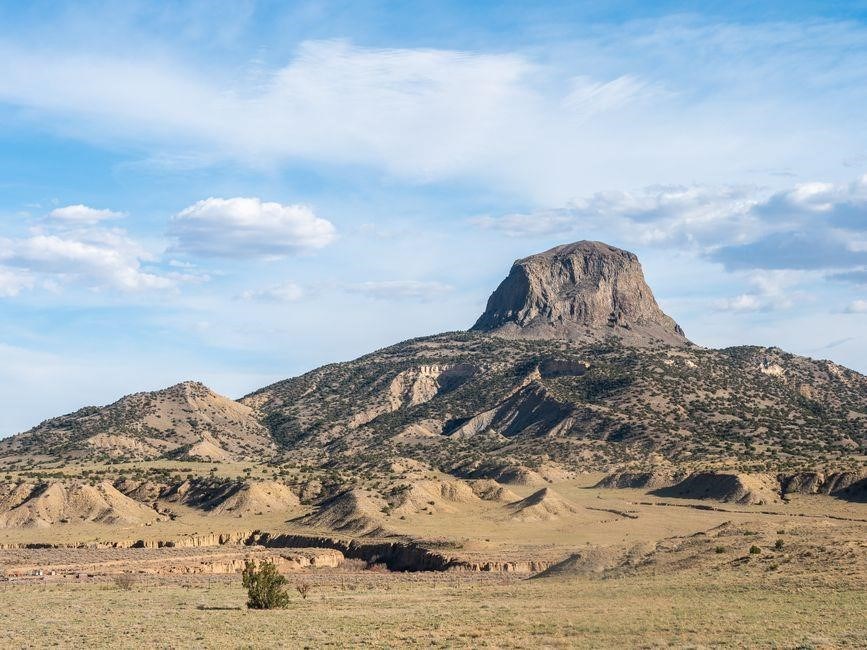
Planning Your Self‑Guided Tour: Route Options
When charting a trip through Mesa Verde, the park offers three primary loop routes that suit various interests and fitness levels. The 4‑mile “Cliff Palace Loop” is the most popular, taking about 90 minutes and showcasing the largest cliff dwelling in the park; It starts at the Visitor Center, follows the main trail to the Cliff Palace overlook, then goes to Petroglyph Point before returning. For a longer excursion, the 7‑mile “Mancos River Loop” traverses the river corridor, passing the Mancos River House, the “House on the Rock,” and the “Pueblo Bonito” complex. This loop is best tackled early in the morning to avoid heat and offers a richer array of archeological sites. The 10‑mile “South Rim Loop” provides a sweep of the canyon’s western rim, including the “Mesa Verde Cliff House” and the “Tobacco House.” It is suitable for hikers with elevation gain and offers overlooks ideal for photography; Each loop is clearly marked with color‑coded signs, and the park’s free audio guide provides contextual narration for every major stop. Visitors can combine segments of these loops to create an itinerary that fits their time constraints and interests. The park’s mobile app, available for iOS and Android, offers real‑time trail maps, estimated walking times, and alerts for any closures or maintenance work. Planning ahead by reviewing the official Mesa Verde National Park website ensures that you receive the most current information on trail conditions, weather forecasts, and any seasonal restrictions. By selecting the route that best aligns with your schedule and curiosity, you can fully immerse yourself in the Puebloan heritage while enjoying the landscapes that define Mesa Verde.
Key Cliff-Dwelling Sites to Explore
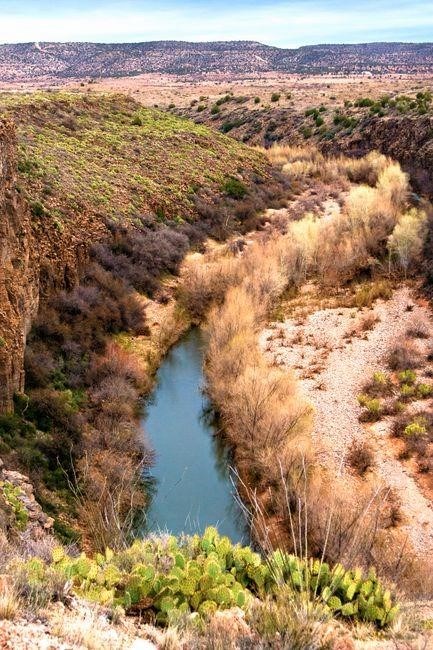
Visitors to Mesa Verde can experience a range of cliff‑dwelling complexes, each offering unique insights into Puebloan life. The most iconic is Cliff Palace, a sprawling 1,200‑room complex perched 200 ft above the canyon floor. Its well‑preserved rooms, kivas, and storage pits illustrate communal living and ceremonial practices. The House on the Rock, a single‑room dwelling built into a vertical cliff face, showcases advanced masonry techniques and offers panoramic views of the surrounding landscape. The Pueblo Bonito complex, located near the Mancos River, features a series of interconnected rooms and a distinctive “T‑shaped” layout, highlighting the adaptive strategies of its builders. The “Tobacco House” on the South Rim provides a more intimate experience, with a small cluster of rooms that reveal daily domestic activities. Each site is accessible via marked trails, and the park’s audio guide offers detailed narration, archaeological context, and preservation tips. Cliff Palace’s layout reflects a sophisticated social structure, with separate zones for communal storage, ceremonial kivas, and family living spaces. The complex’s stone walls are built from locally sourced sandstone, and the builders used a unique dry‑stone technique that has withstood centuries of erosion. Pueblo Bonito’s T‑shaped layout is a rare example of Puebloan architectural adaptation to the canyon’s steep terrain, enabling efficient use of limited space. These sites illustrate the Puebloans’ mastery of stone masonry and their ability to thrive in environment.
Using the Visitor Center Map and Audio Guide
At the Mesa Verde Visitor Center, guests receive a detailed paper map and a free audio guide that together form the backbone of a self‑guided adventure. The map highlights all main trails, interpretive panels, and key cliff‑dwelling sites, and it is color‑coded for easy navigation. The audio guide, available in multiple languages, plays through a portable device or a Bluetooth headset that can be rented on site. Each track corresponds to a specific trail segment, providing historical context, archaeological facts, and practical tips such as trail difficulty, water stops, and recommended viewing times. The guide’s narration is concise yet rich, allowing visitors to absorb information without missing the natural scenery. Before heading out, visitors should read the map’s legend, note the trailhead locations, and download the audio files onto a smartphone or tablet. The park’s Wi‑Fi can be used to stream the guide, but offline playback is recommended for areas with weak reception. The audio guide also includes safety reminders, such as staying on designated paths, avoiding cliff edges, and respecting wildlife. By following the map and listening to the guide, visitors can plan a route that balances cultural immersion with personal pacing, ensuring a comprehensive yet flexible exploration of Mesa Verde’s heritage. Discover!
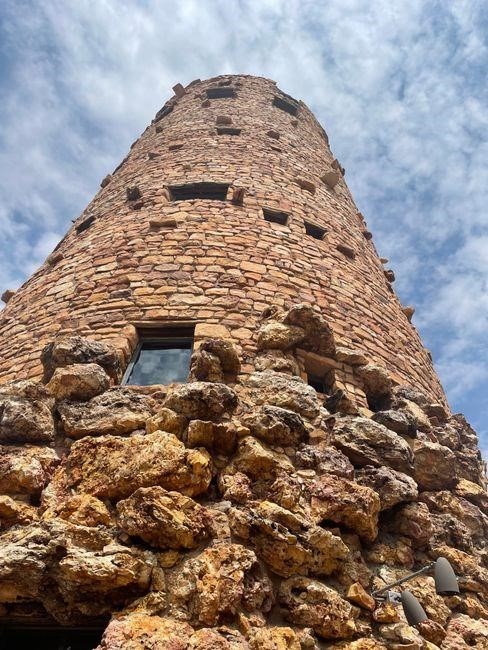
Additionally, the Visitor Center offers interactive kiosks where guests can view high‑res images of cliff panels, learn about the Puebloan calendar, and access downloadable PDF versions of the map. The kiosks also feature a “Trail Planner” tool that allows visitors to select desired sites, estimate travel time, and receive a customized itinerary. For those who prefer a tactile experience, the center sells a small set of laminated trail cards that can be clipped to a backpack. These cards include QR codes linking to the audio guide, ensuring that even if the device battery dies, visitors can still access key information. The combination of visual, auditory, and interactive resources empowers guests to tailor their journey, whether they are history buffs, casual hikers, or families with children. By leveraging the Visitor Center’s comprehensive tools, visitors can navigate the park confidently, stay on schedule, and fully appreciate the depth of Mesa Verde’s archaeological treasures.
Trail Etiquette and Leave No Trace Practices
When exploring Mesa Verde’s rugged paths, respectful conduct preserves both the landscape and the cultural legacy of the ancestral Puebloans. First, stay on designated trails; the cliff walls and fragile archaeological deposits are easily damaged by off‑path foot traffic. Keep a safe distance from cliff‑dwelling walls—at least 10 feet—to avoid accidental erosion and to protect fragile rock art. Carry all trash in its original container and dispose of it in the waste receptacles at the Visitor Center or designated drop‑boxes; never leave a single piece behind. When you encounter petroglyphs or pictographs, do not touch or lean on them; the oils from skin can degrade the surface. Use a flashlight only when necessary, and avoid pointing beams directly at the art. If you wish to photograph, use a tripod to keep the camera steady and avoid flash, which can damage the pigments. Respect wildlife by observing from a distance; do not feed animals or disturb nesting sites. Pack out any food scraps, and keep dogs leashed at all times. When hiking with children, keep them on the trail and explain the importance of staying put. If you see a broken trail or erosion, report it to the Visitor Center so maintenance crews can address it. Finally, remember that the park’s mission is to protect the archaeological record; by following these simple guidelines, you help ensure that future generations can experience the same awe and wonder.
The Leave No Trace principles—plan ahead, travel light, respect other visitors, and minimize impact—are especially relevant in Mesa Verde’s fragile environment. Planning ahead means checking weather forecasts, ensuring adequate water, and informing someone of your itinerary. Traveling light reduces trail erosion; avoid carrying unnecessary gear. Respect other visitors by yielding on narrow paths and keeping noise levels low to preserve the park’s quiet atmosphere. Minimizing impact includes using existing fire rings for any cooking and not building new ones. When using the park’s restroom facilities, follow the “clean up after yourself” rule. For those with mobility aids, use the designated accessible paths and avoid steep drops. If you notice any natural or cultural feature in distress, report it immediately. By adhering to these practices, you help maintain the ecological balance and cultural integrity of Mesa Verde.
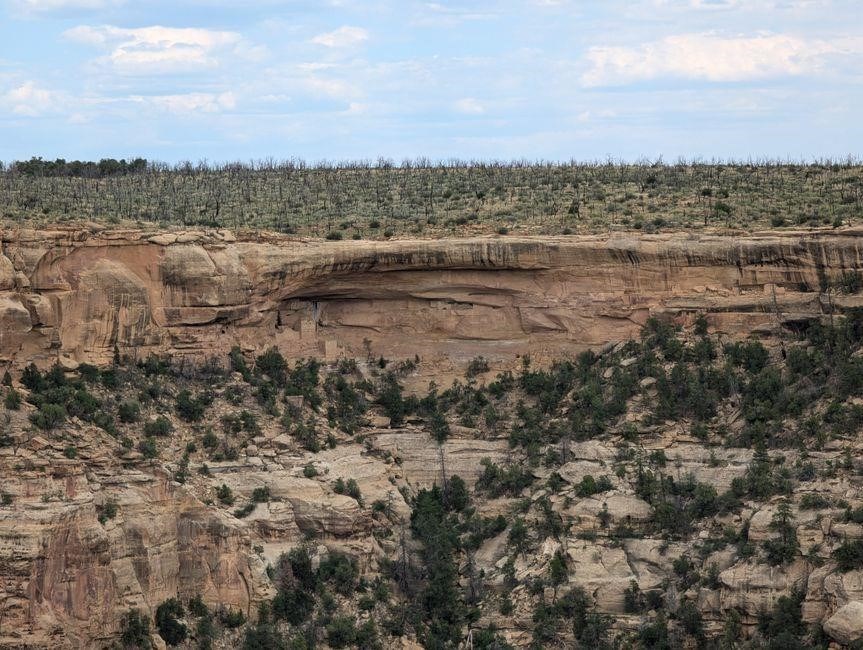
Additionally, the park encourages visitors to use reusable water bottles and refill at the designated stations to reduce plastic waste. The Visitor Center offers a small recycling bin for paper and plastic; place your recyclables there before leaving. If you are traveling with a group, coordinate your departure times to avoid congestion on the main loop, especially during peak season. The park’s interpretive panels provide brief historical context; take a moment to read them rather than skip, as this enriches your experience and supports the educational mission. Finally, remember that every step you take contributes to the preservation of Mesa Verde’s heritage; treating the trails with care ensures that the ancestral Puebloan stories remain intact for scholars and visitors alike.
Safety Tips for Self‑Guided Visitors
Before you set out, check the weather forecast and wear layers; temperatures can swing from 70°F in the morning to below freezing at night. Pack a small first‑aid kit, including blister treatment, a spare pair of socks, and a high‑visibility vest if you plan to hike during low light. Keep a fully charged phone and a portable charger; the park has limited cell reception. Bring a map and a compass; the audio guide is helpful, but a physical map ensures you can navigate if the device fails. Stay hydrated—carry at least 2 liters of water per person—and drink regularly, even if you feel dry. Wear sturdy hiking boots with good ankle support; the trails can be uneven and steep. Use trekking poles for added stability on descents. When walking on cliff edges, keep your hands on the railings and avoid leaning over the lip. If you plan to explore the cliff dwellings, follow the posted safety signs and stay within the designated viewing platforms. Avoid climbing on the structures; they are fragile and may collapse. In case of a sudden storm, seek shelter in a designated safe area or return to the Visitor Center. If you feel unwell, head back immediately; the park’s emergency services are limited. Finally, inform someone of your itinerary and expected return time; in case of emergency, this information is vital for rescue teams.
Remember to carry a whistle for emergencies and to signal for help if needed.
Nearby Facilities: Lodging and Dining
El Morro Lodge, nestled within Mesa Verde National Park, offers rustic cabins and a lodge room with basic amenities. Guests can enjoy a hearty breakfast featuring locally sourced ingredients before heading out to explore cliff dwellings. The lodge’s proximity to the Visitor Center and main trailheads makes it a convenient base for self‑guided tours and offers a quiet retreat after a day of exploration today.
Cortez, Colorado, lies just a short drive from the park and hosts a variety of accommodations. The Cortez Inn & Suites provides comfortable rooms, an indoor pool, and a complimentary continental breakfast. Boutique options like the historic Cortez Hotel blend classic charm with modern convenience, while the nearby El Morro Lodge offers a more rustic experience for those seeking authenticity and peaceful stays every day.
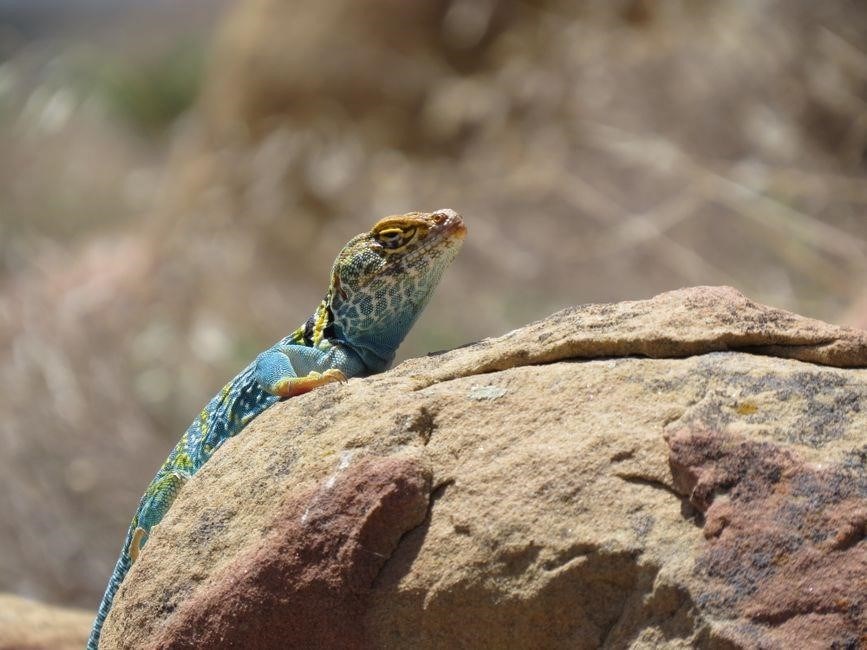
Dining in Cortez caters to diverse tastes. The Bluebird Café serves American classics, while the Mesa Verde Café specializes in Southwestern fare with fresh corn, beans, and locally roasted meats. For quick bites, the Cortez Market offers sandwiches, salads, and artisanal cheeses. Many venues provide gluten‑free and vegan options, ensuring that dietary restrictions are respected without compromising flavor and satisfying palates every visit with care.
All lodging and dining venues emphasize sustainability, using locally sourced ingredients and energy‑efficient practices. Reservations are recommended during peak season, and many places accept online booking through their official websites or popular travel platforms. Whether you prefer the historic charm of El Morro Lodge or the modern comforts of Cortez hotels, the area provides reliable and convenient options for a memorable Mesa Verde experience today.
Interpreting Archaeological Signage and Information Panels
At Mesa Verde, the interpretive panels are designed to guide visitors through the complex history of the Ancestral Pueblo people. Each panel includes a concise narrative, a timeline of occupation, and a set of key terms such as “kiva,” “pueblo,” and “cliff dwelling.” The panels are placed at strategic points along the self‑guided routes, ensuring that travelers receive context before entering a site. The signage is multilingual, offering English, Spanish, and Navajo translations to accommodate diverse visitors. Visitors are encouraged to read the “Leave No Trace” reminders embedded in the panels, reminding them to stay on designated paths, avoid touching artifacts, and properly dispose of trash. The interpretive design follows the National Park Service’s guidelines, using durable, weather‑resistant materials and clear, legible fonts. By engaging with these panels, travelers gain a richer understanding of the cultural landscape, the daily lives of the Pueblo people, and the environmental challenges they faced. Overall, the signage serves as an educational bridge between the past and present, enhancing the self‑guided experience with factual depth and respectful storytelling. Visitors can also access supplementary resources at the Visitor Center, where staff provide additional context and answer questions about the site’s preservation. The interpretive panels are regularly updated to reflect new archaeological findings, ensuring that each visit offers fresh insights into the Pueblo heritage. for deeper insight.!!
Accessibility Features for Visitors with Disabilities
Mesa Verde National Park offers a range of accommodations for visitors with mobility, visual, and auditory challenges. The visitor center is fully wheelchair accessible, with ramps, elevators, and spacious restrooms. From there, paved, graded trails connect key cliff‑dwelling sites; these paths meet ADA standards, featuring smooth surfaces, handrails, and clear signage. The free audio guide is available in multiple formats, including a Braille‑compatible version and a large‑print booklet that can be checked out at the visitor center. A “visual description” track provides detailed narration of the site’s layout and artifacts for visually impaired visitors. Tactile “walking tour” maps allow those with limited sight to navigate independently. Information panels use large text and pictograms, and staff can provide sign‑language interpretation upon request. A downloadable app offers adjustable text size, audio narration, and a “location‑based” alert system. Designated accessible parking and a shuttle service connect the parking lot to main trailheads, reducing the need to navigate steep terrain. The park also provides a wheelchair‑friendly viewing platform at Cliff Palace and a ramp that can be requested at the visitor center. Staff are available to arrange guides for support. Ongoing collaborations with local disability advocacy groups help refine and expand these resources, ensuring that Mesa Verde’s cultural heritage is accessible to all visitors. By integrating technology, such as adjustable audio levels and tactile maps, the park enhances accessibility, allowing visitors of all abilities to experience the tapestry of Mesa Verde with confidence and ease.
Photography and Wildlife Considerations
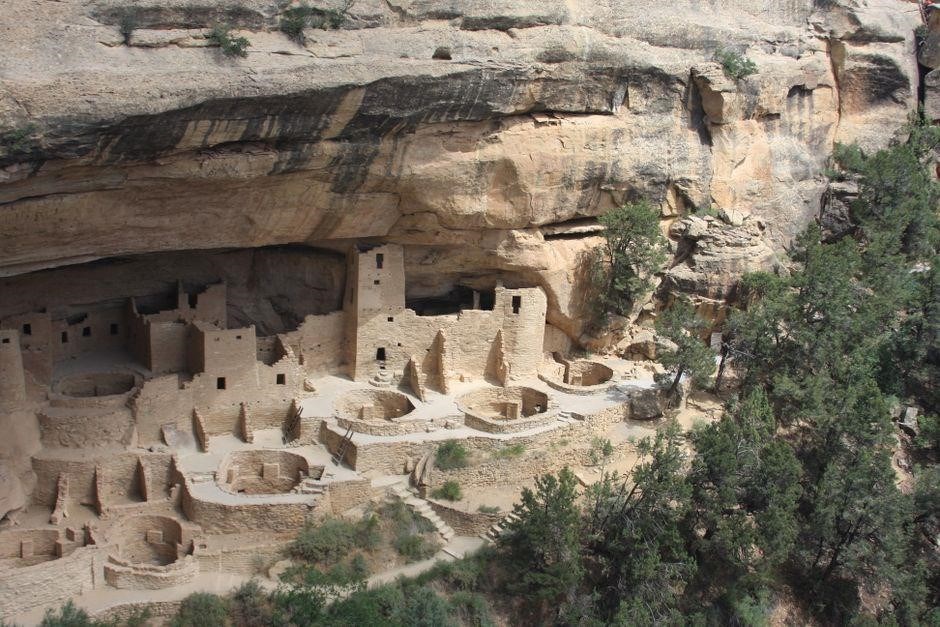
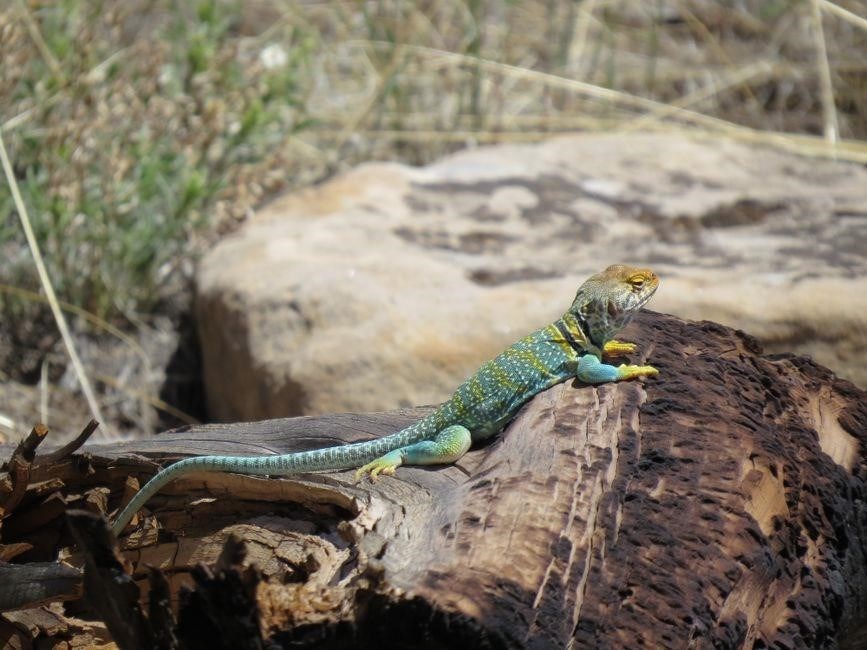
Photographers visiting Mesa Verde should respect the fragile archaeological context and the local fauna. Keep a safe distance from cliff dwellings; the park’s “no‑touch” policy protects fragile stone and artifacts. Use a tripod only on designated platforms, and avoid placing it on natural surfaces that could damage the landscape. When photographing wildlife, maintain a distance of at least 100 feet to avoid disturbing birds, mammals, and reptiles. The park’s wildlife includes bighorn sheep, mule deer, and a variety of raptors; these animals are most active during dawn and dusk, so plan your shots accordingly. Use a telephoto lens to capture wildlife without intruding. The park’s interpretive signs advise against feeding animals; feeding can alter natural behaviors and create safety hazards. Additionally, the high desert environment can produce strong glare; use polarizing filters to reduce reflections on rock surfaces and water. Respect the “leave no trace” principle by packing out all photographic equipment and ensuring no litter remains. Finally, be mindful of the park’s audio guide, which occasionally mentions nearby wildlife; listening can enhance your understanding of the ecosystem you are photographing. By balancing artistic vision with stewardship, visitors can capture stunning images while preserving Mesa Verde’s natural and cultural integrity. The park’s seasonal light shifts from soft dawn hues to sunset colors, offering photographers unique opportunities to capture the interplay of shadow and stone across the cliff walls, enhancing the narrative of human resilience!!
Resources for Further Planning and Research
For a comprehensive visit to Mesa Verde, start with the National Park Service’s official website, which offers downloadable maps, trail guides, and up‑to‑date visitor alerts. The park’s Mesa Verde page hosts the self‑guided audio guide, a PDF of interpretive panels, and a schedule of ranger talks. The Plan Your Visit section lists parking, entrance fees, and nearby lodging options, while the History & Culture page details Puebloan archaeology and cultural context. For academic research, the Education Resources provide lesson plans, primary source documents, and access to the park’s research database. The Management & Conservation section offers reports on site preservation, visitor impact studies, and climate monitoring data. For broader regional context, consult the Mesa Verde National Park: A History book by the National Park Service. Local tourism boards, such as the Mesa Verde Tourism Association, provide accommodation listings, dining guides, and cultural event calendars. Finally, the Interactive Learning Center offers virtual tours, 3D models of cliff dwellings, and downloadable educational kits for students and educators.
Use these resources to plan, learn, and enjoy Mesa Verde responsibly. Explore the park’s trails, learn about Puebloan culture, and capture unforgettable moments. The park’s educational programs, guided tours, and interactive exhibits provide engaging learning experiences for visitors of all ages, making every visit memorable and insightful. Discover hidden viewpoints and enjoy sunset over canyon.!!!