livro dos espíritos pdf

The Book of Spirits PDF: A Comprehensive Guide (Updated August 4‚ 2026)
Today’s date is August 4‚ 2026! Explore daily Bing quizzes for trivia‚ and discover a fast-paced game testing knowledge on diverse topics‚ earning rewards.
What is “The Book of Spirits”?
“The Book of Spirits”‚ originally published in 1857‚ meticulously codifies the core tenets of Spiritism‚ a philosophical doctrine exploring the nature of spirits and their interaction with the human world. It’s presented as a series of questions posed by Kardec to spirit entities‚ offering profound insights into existence‚ morality‚ and the universe;
The work isn’t merely a collection of channeled messages; it’s a carefully structured philosophical treatise. It delves into fundamental questions about God‚ the soul‚ reincarnation‚ and the laws governing the spirit world. Interestingly‚ today’s digital landscape offers access to the “Livro dos Espíritos” PDF‚ allowing wider dissemination of these ideas.
Currently‚ engaging with daily trivia like the Bing Homepage Quiz demonstrates a thirst for knowledge‚ mirroring the inquisitive spirit that prompted Kardec’s original questions. The book encourages critical thinking and personal investigation‚ much like the challenges presented in online quizzes.
Historical Context of the Original Publication
“The Book of Spirits” emerged in mid-19th century France‚ a period marked by significant scientific advancements and a growing interest in spiritualism and mesmerism. The societal climate was ripe for questioning traditional religious doctrines and exploring alternative explanations for unexplained phenomena. This era fostered a fascination with communication with the deceased‚ fueling the popularity of séances and spirit circles.
Allan Kardec‚ a French educator and scholar‚ initially investigated these phenomena skeptically. However‚ through rigorous observation and systematic questioning‚ he became convinced of the reality of spirit communication. The resulting work‚ published in 1857‚ provided a coherent philosophical framework for understanding these experiences. Today‚ accessing a “Livro dos Espíritos” PDF allows modern readers to connect with this historical context.
Similar to the daily mental exercise offered by quizzes like the Bing Homepage Quiz‚ Kardec’s work represented an intellectual pursuit of truth‚ challenging established norms and encouraging critical thought.
Allan Kardec: The Author and His Influence
Hippolyte Léon Denizard Rivail‚ better known as Allan Kardec‚ was a French educator‚ translator‚ and writer who became the codifier of Spiritism. Before dedicating himself to spirit studies‚ Kardec was a respected pedagogue‚ focused on educational reform. His methodical approach‚ honed through years of teaching‚ profoundly influenced his investigation of mediumship and spirit communication.
Kardec didn’t claim to invent Spiritism‚ but rather to systematically organize and interpret the messages received through various mediums. He published several key works‚ with “The Book of Spirits” being the foundational text. His influence extends far beyond France‚ particularly in Brazil and Latin America‚ where Spiritism is a major religious and philosophical movement.
Much like engaging with daily trivia on platforms like Bing Quizzes‚ Kardec encouraged a spirit of inquiry and rational analysis‚ shaping a unique spiritual philosophy.
The Core Principles of Spiritism
Spiritism‚ as codified by Allan Kardec‚ rests upon the belief in constant communication with the spirit world. This isn’t simply about ghostly encounters‚ but a systematic understanding of the universe governed by divine laws. Central to this is the concept of progressive evolution – spirits learn and advance through multiple incarnations‚ refining their moral character.
“The Book of Spirits” outlines these principles through a series of questions and answers‚ establishing a rational framework for understanding phenomena often dismissed as superstition. Like tackling the daily Bing Homepage Quiz‚ Spiritism encourages intellectual exploration and critical thinking.
Key tenets include the existence of God‚ the immortality of the soul‚ and the law of cause and effect (karma). These principles offer a unique perspective on life‚ death‚ and the universe’s interconnectedness.
The Three Pillars of Spiritism: God‚ Immortality‚ and Reincarnation
“The Book of Spirits” meticulously establishes these foundational beliefs. God‚ in Spiritism‚ is the supreme intelligence and first cause‚ an ultimate benevolent creator. Immortality isn’t merely survival after death‚ but the continuation of the individual spirit’s journey‚ evolving through countless existences.
Reincarnation‚ or the cycle of rebirth‚ is the mechanism for this spiritual progression. Each life presents opportunities for learning and atonement‚ guided by the law of cause and effect. Much like the daily Bing Homepage Quiz tests and expands knowledge‚ each incarnation offers lessons for the spirit.
These three pillars aren’t dogmatic assertions‚ but logical conclusions drawn from observed phenomena and spirit communications‚ forming the bedrock of Spiritist philosophy.
The Spiritist Cosmology: Understanding the Universe

“The Book of Spirits” presents a universe teeming with intelligent life‚ organized into a hierarchical structure. This isn’t a static creation‚ but a dynamic‚ evolving cosmos governed by divine laws. Spirits inhabit various planes‚ reflecting their moral and intellectual development – a concept akin to leveling up in the daily Bing Homepage Quiz.
The material world is merely one manifestation of the divine‚ a temporary stage for spiritual growth. Communication between worlds is constant‚ though often imperceptible to our limited senses. This interconnectedness emphasizes universal brotherhood and the importance of moral conduct.
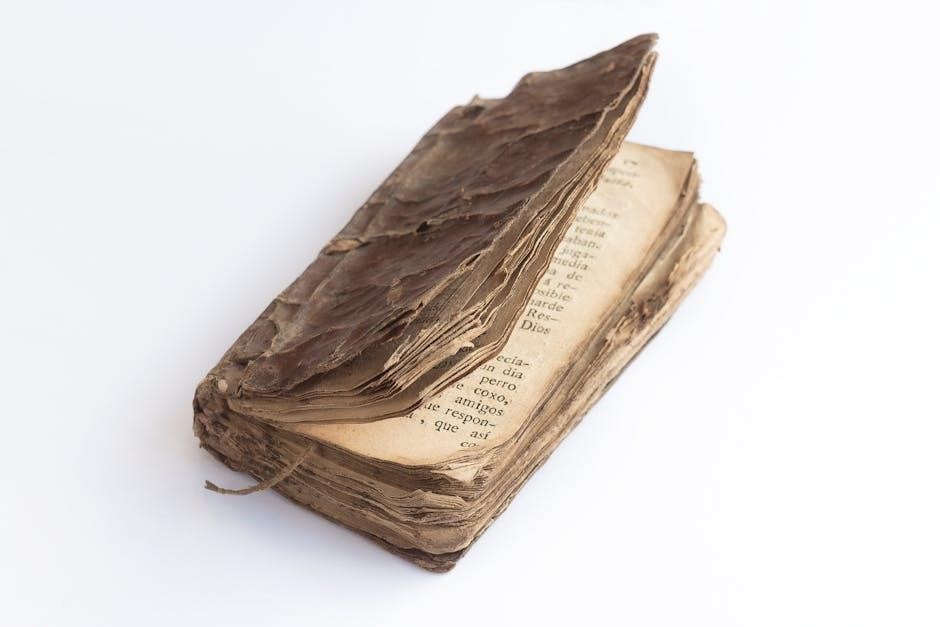
Spiritist cosmology avoids rigid dogma‚ encouraging ongoing investigation and understanding of the universe’s complexities‚ mirroring the continuous learning encouraged by daily trivia challenges.

Finding a Reliable “Livro dos Espíritos” PDF
Locating a trustworthy PDF version of “The Book of Spirits” requires diligence. Given the book’s popularity‚ numerous online sources offer downloads‚ but quality and accuracy vary significantly. Be cautious of sites promising instant access without verification – these often harbor pirated or corrupted files‚ much like seeking answers to the Bing Homepage Quiz without effort.
Prioritize sources affiliated with established Spiritist organizations or publishers known for their commitment to accurate translations. Always cross-reference content with known editions to ensure fidelity to Allan Kardec’s original work. A reliable PDF should maintain formatting and include complete chapters.
Remember‚ a free PDF doesn’t guarantee authenticity; invest time in verifying the source to avoid misinformation.
Legitimate Sources for PDF Downloads
Several reputable avenues offer access to “The Book of Spirits” in PDF format. The International Spiritist Federation (ISF) website frequently provides links to authorized translations and editions‚ ensuring accuracy akin to correctly answering the daily Bing Homepage Quiz. Many national Spiritist federations‚ mirroring the ISF’s commitment‚ also host downloadable PDFs on their official sites.
Furthermore‚ established Spiritist publishers often provide digital versions for purchase or free download. Look for publishers specializing in Spiritist literature‚ guaranteeing a faithful reproduction of Kardec’s work. Beware of unofficial websites; prioritize those with clear copyright information and a proven track record.
Always verify the source before downloading to safeguard against inaccurate or altered content.
Avoiding Pirated or Inaccurate Versions
The proliferation of online PDFs necessitates caution when seeking “The Book of Spirits.” Pirated copies often contain errors introduced during scanning or conversion‚ akin to incorrect answers on the Bing Homepage Quiz‚ distorting Kardec’s original intent. These inaccuracies can lead to misinterpretations of Spiritist doctrine.
Be wary of websites offering free downloads without clear copyright information or author attribution. Unofficial sources may present altered texts or incomplete translations. Prioritize downloads from recognized Spiritist organizations‚ publishers‚ or the International Spiritist Federation (ISF).
Always cross-reference content with known‚ reliable editions. If a PDF appears suspiciously low-quality or contains inconsistencies‚ avoid using it. Protecting the integrity of the text is crucial for accurate study and understanding.

Key Questions and Answers in “The Book of Spirits”
“The Book of Spirits” is structured around a series of questions posed by Kardec to various spirit guides‚ forming the core of Spiritist doctrine. These inquiries delve into fundamental aspects of existence‚ mirroring the diverse topics explored in daily Bing quizzes – from science to morality.
Key areas covered include the nature of God‚ the immortality of the soul‚ the law of cause and effect (karma)‚ and the plurality of inhabited worlds. Questions address the characteristics of spirits‚ their communication methods‚ and their influence on human affairs.
Kardec’s methodical approach provides a logical framework for understanding these complex concepts‚ offering answers that emphasize reason‚ observation‚ and moral responsibility. The book’s Q&A format facilitates comprehension and encourages critical thinking.
Questions Regarding God and the Divine
“The Book of Spirits” extensively probes the nature of God‚ moving beyond anthropomorphic conceptions. Kardec’s questions‚ akin to the diverse topics in a daily Bing quiz‚ seek to define God as the supreme intelligence and first cause‚ utterly simple and immutable.
Inquiries explore God’s attributes – omnipotence‚ omniscience‚ omnipresence‚ goodness‚ justice‚ and love – clarifying these concepts within a rational framework. The book distinguishes between God and the spirits‚ positioning spirits as intermediaries between humanity and the Divine.

Crucially‚ it addresses the question of God’s involvement in the universe‚ asserting a principle of immanence and a natural order governed by divine laws. The text emphasizes that understanding God requires reason and moral elevation‚ not blind faith.
Questions Concerning the Nature of Spirits
“The Book of Spirits” dedicates significant inquiry to understanding the nature of spirits‚ much like the varied questions presented in a daily Bing quiz challenge. Kardec’s dialogues explore their origins‚ classifications‚ and roles in the universe.

The text defines spirits as intelligent beings‚ created simple and ignorant‚ evolving through reincarnation and learning. It details different categories – good‚ bad‚ and those needing purification – reflecting varying degrees of moral advancement. Spirits are described as inhabiting invisible worlds‚ interacting with the physical realm.
Questions delve into their capabilities – communication‚ influence on humans‚ and the reasons for their actions. The book clarifies that spirits are subject to divine laws and are not all-powerful‚ emphasizing free will and moral responsibility.
Questions About Moral Law and Human Responsibility

“The Book of Spirits” profoundly examines moral law‚ mirroring the daily mental challenges presented by a Bing Homepage Quiz. Kardec’s inquiries reveal that the fundamental principle governing the universe is love and justice‚ demanding constant improvement.
Human responsibility is central; actions have consequences‚ shaping future incarnations. The book stresses that suffering isn’t punishment but a consequence of past actions‚ offering opportunities for expiation and learning. Free will is paramount‚ allowing individuals to choose between good and evil.
Questions explore the importance of charity‚ forgiveness‚ and selflessness. Moral progress isn’t solely about avoiding sin but actively practicing virtue. The text emphasizes that true happiness stems from aligning with divine law‚ fostering inner peace and spiritual growth.
The Impact of “The Book of Spirits” on Spiritism
“The Book of Spirits” served as the foundational text for the Spiritist doctrine‚ much like a daily Bing Homepage Quiz establishes a base of knowledge. Its publication in 1857 sparked a rapid growth of Spiritist societies and practices worldwide‚ offering a new philosophical and ethical framework.
The book’s systematic approach to understanding the spirit world provided a coherent structure‚ differentiating Spiritism from earlier forms of spiritualism. It fostered the development of Spiritist centers dedicated to study‚ practice‚ and charitable work‚ mirroring the quiz’s daily engagement.
Kardec’s work profoundly influenced Spiritist philosophy‚ emphasizing reason‚ morality‚ and the pursuit of self-improvement. It continues to shape Spiritist ethics‚ promoting compassion‚ forgiveness‚ and a belief in the continuity of life beyond physical death.

The Development of Spiritist Centers and Practices
Following the publication of “The Book of Spirits‚” Spiritist centers rapidly emerged‚ initially in France and then globally‚ akin to the daily spread of Bing Homepage Quiz participation. These centers became hubs for studying Kardec’s works‚ practicing mediumship‚ and offering moral support.
Early practices centered around public spiritist meetings‚ where mediums would deliver messages from spirits‚ and study groups dissected the book’s teachings. Charitable work became integral‚ reflecting the doctrine’s emphasis on altruism and social responsibility‚ much like earning rewards from the quiz.
Over time‚ Spiritist centers evolved‚ incorporating healing sessions‚ psychological support‚ and educational programs. They continue to serve as vital communities for those seeking spiritual guidance and a deeper understanding of life’s mysteries.
The Book’s Role in Spiritist Philosophy and Ethics
“The Book of Spirits” fundamentally shaped Spiritist philosophy‚ establishing a moral code centered on love‚ charity‚ forgiveness‚ and continual self-improvement – a daily challenge like mastering the Bing Homepage Quiz. It posits that life’s trials are opportunities for spiritual growth‚ and that our actions have consequences extending beyond this lifetime.
The book’s ethical framework emphasizes personal responsibility‚ rejecting fatalism and promoting free will. It encourages individuals to strive for moral excellence‚ understanding that progress is achieved through repeated incarnations.
Spiritist ethics also advocate for rational inquiry and the rejection of superstition‚ fostering a balanced approach to faith and reason. This foundational text continues to guide Spiritist thought and practice worldwide.
Translations and Editions of “The Book of Spirits”
“The Book of Spirits” has been translated into numerous languages‚ reflecting its global impact‚ much like the Bing Homepage Quiz reaches a diverse audience daily. English translations vary in accuracy and interpretation‚ with some prioritizing literal fidelity while others aim for greater readability.
Several editions are available‚ including modern reprints and scholarly versions with extensive annotations. Accessing a reliable PDF version is crucial‚ as inaccurate translations can distort the original meaning.
Beyond English‚ translations exist in Spanish‚ French‚ German‚ Portuguese‚ and many others‚ facilitating the spread of Spiritist principles across cultures. Careful consideration should be given to the translator and publisher when selecting an edition.
English Translations: Comparing Different Versions
Several English translations of “The Book of Spirits” exist‚ each with unique strengths and weaknesses‚ mirroring the diverse questions found in the daily Bing Homepage Quiz. Early translations often struggled with conveying the nuances of Kardec’s French‚ resulting in interpretations that lacked precision.
More recent editions prioritize accuracy‚ utilizing updated linguistic understanding and scholarly research. However‚ even these versions differ in their approach to terminology and stylistic choices.
Comparing multiple translations is recommended to gain a comprehensive understanding of the text. Consider factors like translator credentials‚ publisher reputation‚ and the inclusion of helpful annotations when selecting a version. A reliable PDF is essential for comparative study.
Availability in Other Languages
“The Book of Spirits” transcends linguistic boundaries‚ enjoying widespread availability in numerous languages beyond its original French and English translations – much like the global reach of the daily Bing Homepage Quiz. Spanish‚ Portuguese (particularly in Brazil‚ where it’s known as “Livro dos Espíritos”)‚ Italian‚ German‚ and Russian are among the many languages featuring dedicated editions.
This broad accessibility reflects the universal appeal of Spiritism’s core principles. Finding a reliable PDF version in a specific language can sometimes be challenging‚ requiring careful source verification.
Official Spiritist organizations often provide links to approved translations‚ ensuring accuracy and fidelity to Kardec’s original work. Exploring these resources is crucial for authentic study.
Criticisms and Controversies Surrounding “The Book of Spirits”
“The Book of Spirits” has faced scrutiny since its publication‚ attracting both fervent supporters and staunch critics – a dynamic mirroring the lively debate surrounding daily Bing Homepage Quizzes. Skeptics often question the scientific validity of spirit communication‚ labeling it as pseudoscience or attributing phenomena to psychological factors like suggestion and fraud.

Religious institutions sometimes oppose Spiritism’s tenets‚ particularly its views on reincarnation and the nature of God‚ finding them incompatible with established doctrines. Concerns regarding potential for exploitation by mediums and the ethical implications of attempting to contact spirits also persist.
Despite these criticisms‚ the book continues to inspire millions‚ prompting ongoing discussion and analysis.
Common Skepticisms and Counterarguments
Skeptics frequently challenge the empirical evidence supporting Spiritism‚ demanding verifiable proof of spirit existence and communication – much like seeking perfect scores on daily Bing Homepage Quizzes. The subjective nature of mediumship and the potential for unconscious fabrication are often cited as weaknesses.
Counterarguments emphasize the consistency of messages received through different mediums‚ the detailed knowledge sometimes displayed by spirits regarding past lives‚ and the observed psychological benefits experienced by adherents. Spiritists argue that scientific materialism limits understanding of phenomena beyond current measurement capabilities.
Furthermore‚ proponents suggest that the book’s moral teachings and focus on self-improvement offer intrinsic value‚ regardless of the validity of its spiritual claims.